Field notes · the route
The four steps to a pest-free home.
We don't just spray. We investigate the root cause of your infestation.
Every job at My Favorite Pest Control follows the same route around your property: inspect it, identify what is there, treat the source, then keep watching. The company was started in Brick in 2017 to bring a more scientific, hands-on approach to exactly this, and you can read how it began if you want the background.
Inspection
A 360-degree evaluation of the property to find the pests and the way they are getting in.
The walk starts outside and goes all the way around. Foundation line, sill plates, vents, the gaps where pipes and cables enter the wall, the edge of the mulch bed, the eaves, the crawl space door. On a shore house that perimeter tells most of the story, because damp, soil and salt air all show up there first.
Then it goes inside: attic, crawl space, basement, kitchen, anywhere moisture or food gives a pest a reason to stay. The goal is a list of entry points and conditions, not a guess, so the plan that follows fits this house and not an average one.
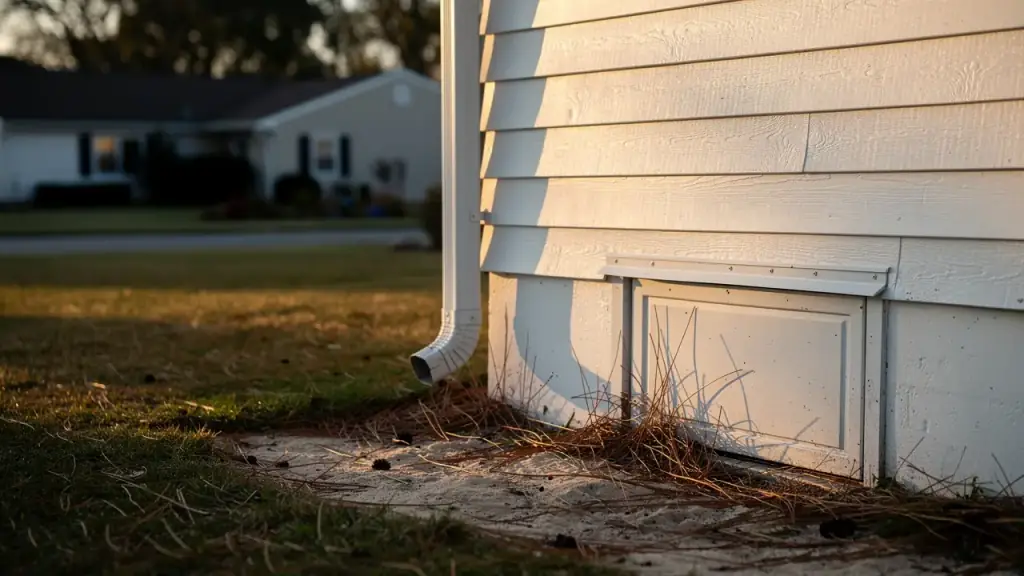
Foundation corner Most often at work here: rodent and small animal control.
Identification
Pinpointing the exact species so the most effective treatment can be selected.
Not every ant is the same problem. A pavement ant in a slab joint, a carpenter ant in damp sill wood and a termite working up from the soil all look like a small insect to a homeowner, and each needs a different answer. The same goes for mice and rats, which leave different signs and use different routes.
Naming the pest is what keeps the treatment targeted. It decides the product, where it goes, how much of it goes there, and whether the real fix is a barrier, bait, a trap, or sealing a gap. Skipping this step is how recurring infestations happen.
Most often at work here: insect control and termites and wood destroying insects.
Treatment
Targeted, eco-conscious solutions that eradicate the source of the problem.
With the species and the entry points known, the work is aimed at the source instead of sprayed across everything. That can mean a perimeter barrier outside, liquid barriers or baiting systems for termites, trapping and exclusion for rodents, or a seasonal yard application where mosquitoes and ticks breed.
Family and pet-friendly treatment options are available, and they are part of the conversation before anything is applied. If moisture is the reason the pests are there, mold or damp crawl space conditions get addressed as part of the plan, not as an afterthought.
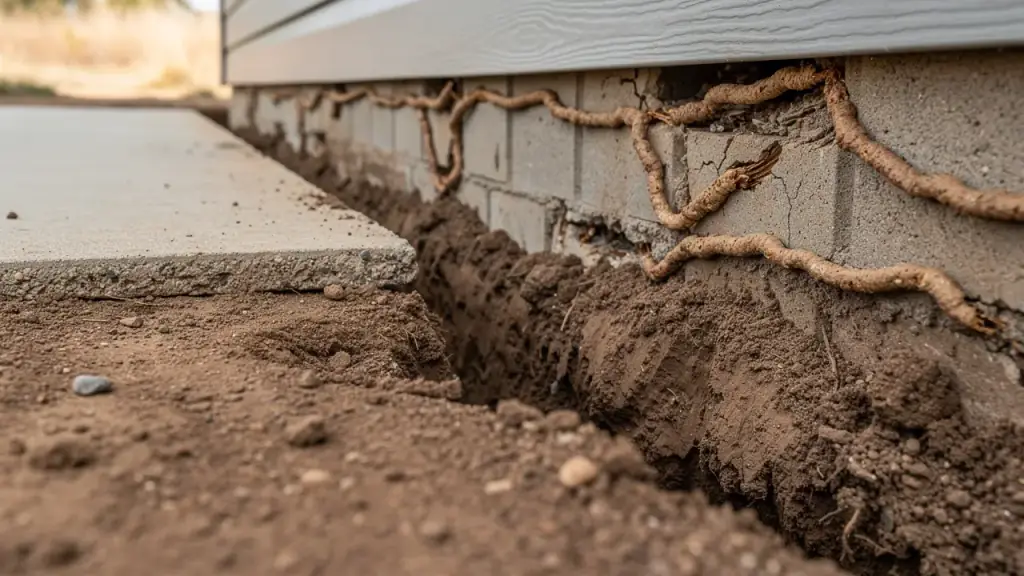
Footing line Most often at work here: mosquitoes, ticks, and fleas and mold cleanup and treatment.
Monitoring
Scheduled follow-ups to make sure the pests stay gone.
A treatment is only finished when it is proven. Follow-up visits are scheduled up front, so there is a date on the calendar to re-inspect, check bait and traps, and see whether anything has found a new way in. Some pests, like bed bugs, are only truly confirmed gone by a second look.
Every visit ends with a detailed digital report, so you can see what was found, what was done and what is planned next. And the promise that sits behind the whole process is in their own words: if the pests return, so do we.
Most often at work here: bed bug services.
Field notes · the register
What stays the same on every visit.
These four lines are the company's own promises, in its own words. They apply whichever of the six services the inspection leads to.
- Reports
- Detailed and digital, after every visit
- Treatment
- Family and pet-friendly options
- Appointments
- On time
- If the pests return
- So do we
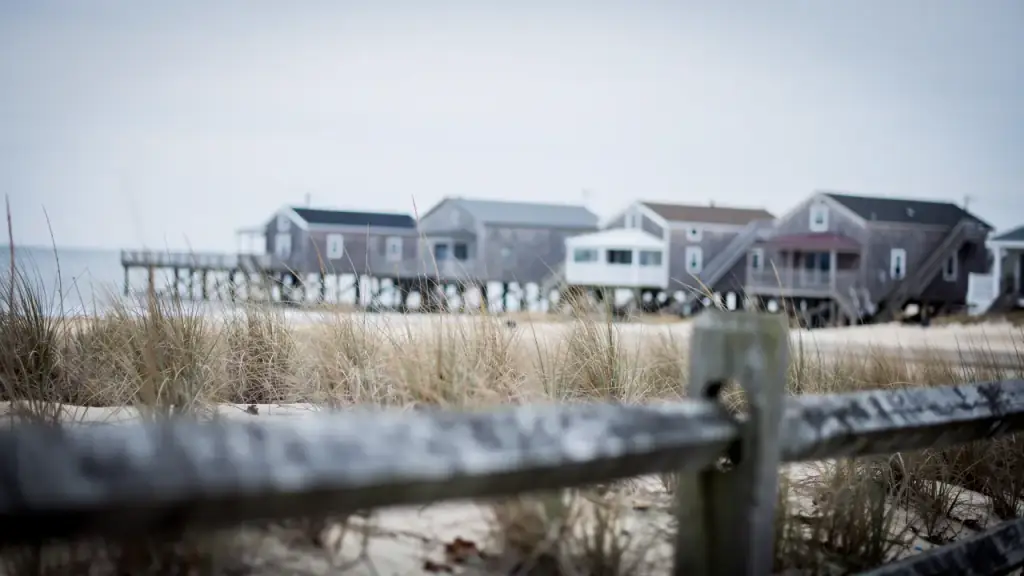
Start with the walk-around.
Call or text Brian and describe what you're seeing and where. The first visit is the inspection, from Brick to Long Branch.
Monday to Saturday, 9am to 5pm · Sunday closed