Musty Crawl Space or Basement? Moisture and Mold in Shore Homes
Mold is the symptom. The water that feeds it is the thing to find.
October 21, 2026 · 4 min read
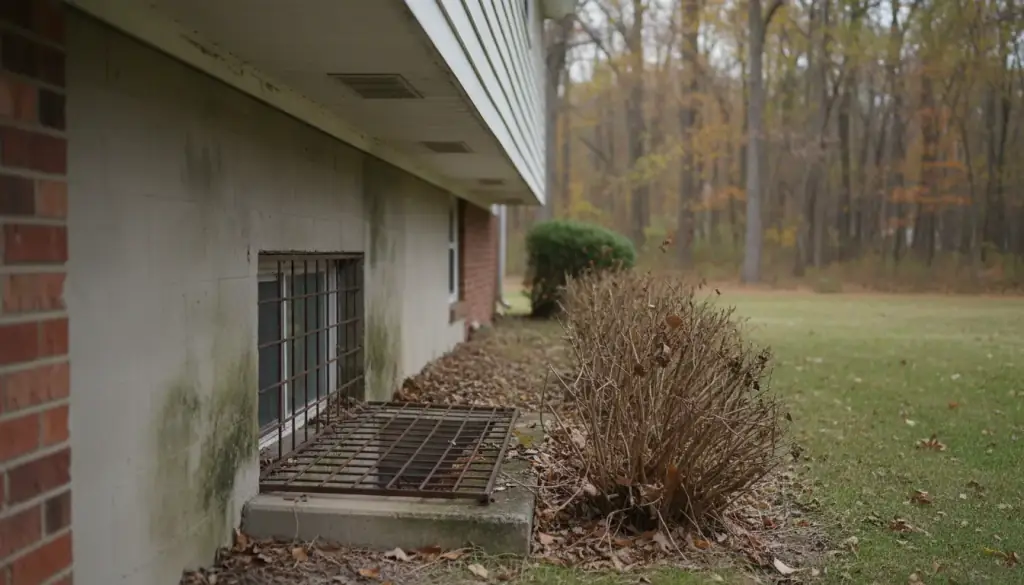
You open the basement door, or lift the hatch to the crawl space, and the smell hits first. Damp cardboard, wet towels, a closed-up cellar. Sometimes there's a gray or black fuzz on the joists, or dark staining creeping across the foundation wall. Most people's first thought is to get rid of the mold. A better first thought is to find out where the water is coming from.
Mold needs moisture to grow. Remove the stain without fixing the moisture, and it comes back, usually in the same place and often within a season. That's the single most useful thing to understand about this problem.
Why shore homes are prone to it
Several local conditions stack up. A high water table means the ground under and around a house stays wet longer. Humid summers load the air with moisture, and when warm air meets a cool foundation or cool ductwork, it condenses. Seasonal homes get closed up for months with no air moving through. Raised houses sit over crawl spaces with open vents that pull humid air in right when it's wettest.
None of that is anyone's fault. It's the setting. But it does mean a shore home needs a bit more attention to moisture than a house inland on higher ground.
The usual sources of moisture
When someone says the crawl space is damp, there's almost always one dominant cause and a few contributing ones. Finding the main one is the work.
- Gutters and downspouts that dump water right at the foundation instead of carrying it away
- Soil that slopes toward the house, so rain runs to the wall
- Bare dirt in the crawl space with no ground cover, so moisture rises from the soil all season
- Vents that let humid summer air in, which then condenses on cooler surfaces
- A slow plumbing leak, a dripping drain line or an air conditioner condensate line ending in the wrong place
- Wet insulation that has sagged and now holds moisture against the floor above
Signs to look for
The smell is usually the first sign, since musty odors show up before most visible growth does. After that, look at wood surfaces: dark spots or fuzzy patches on joists and subfloor, rusted fasteners, insulation that's stained or drooping, a white, chalky crust on masonry, and condensation on pipes. In a basement, check the corners behind stored boxes and the base of the walls.
Standing water, a rising smell after rain, or a floor above that feels soft are all signs that this is more than a surface issue.
What cleanup and treatment involve
Real cleanup starts with an inspection, not a spray. The technician looks over the crawl space or basement, figures out where the moisture is entering and how far the growth extends, and then cleans and treats the affected surfaces. My Favorite Pest Control offers mold cleanup and treatment for crawl spaces and basements, framed around improving the air quality in the home.
Cleanup without a moisture fix is cosmetic. That's why the inspection step matters so much, and why a good technician will talk about gutters and grading before they talk about anything else.
Keeping it dry afterward
Once the space is clean, the goal is to keep conditions from drifting back. What helps depends on the house, but the same few measures come up again and again.
- Extend downspouts several feet from the foundation and keep gutters clear
- Regrade soil so it slopes away from the house
- Cover bare crawl space soil with a proper ground vapor barrier
- Look at how the crawl space vents are managed through humid months
- Run a dehumidifier in a basement that stays damp
- Repair plumbing and condensate leaks promptly
- Re-check the space each spring and fall, with a flashlight and a nose
If you own a rental or a second home, the closed-up months are the risky ones. A house that sits shut from October to May can build up moisture with nobody there to notice. A quick look at the crawl space or basement before you reopen the house, and again partway through the offseason, catches a small problem while it's still a small problem.
Why pest control and moisture overlap
It might seem odd that a pest company handles mold. But damp wood draws carpenter ants and sometimes termites, and wet crawl spaces attract rodents, so the same inspection tends to turn up several related issues. Brian started My Favorite Pest Control to look for root causes instead of just treating what's visible, and a detailed digital report after each visit shows you what was found, so you're not taking anyone's word for it.
Smelling something off downstairs? Call or text My Favorite Pest Control at (732) 829-3881 to set up a look at the space.
My Favorite Pest Control, (732) 829-3881
Call (732) 829-3881More articles
Why Shore Houses Get Mice in the Fall, and What Exclusion Really Means
The scratching in the wall in October started weeks earlier, at a gap you probably walked past all summer.
Mud Tubes on the Foundation: Termite Signs at the Jersey Shore
Those pencil-width dirt lines on the block wall are worth a closer look before anyone paints over them.